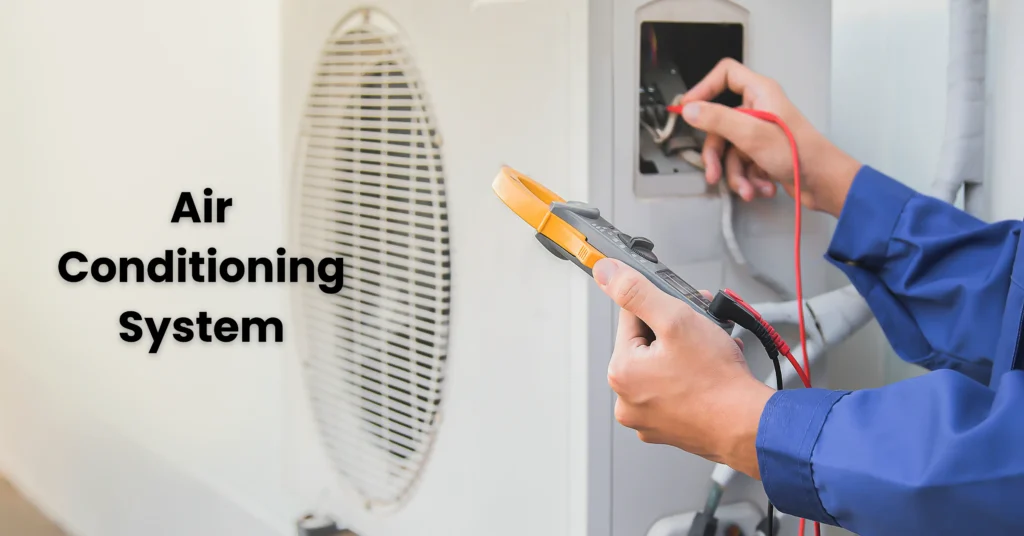

AC refrigerant is the cooling gas that absorbs heat from your room and throws it outside through the AC system. Green Shirts also provides expert inspection and repair for these refrigerant issues in Dubai. This gas keeps the AC cooling smoothly, and the system depends on it to maintain the right temperature.
Older AC units develop leaks because their copper pipes and coils weaken over time. Continuous pressure, heat, and moisture slowly damage the metal and create tiny holes. Years of vibration also loosen joints. Dust and dirt add extra stress to the system, making leaks even more likely.
Table of Contents
Common Signs Your AC Is Losing Gas
- Weak Cooling Performance: When refrigerant drops, the AC cannot pull heat from the room. The air feels cool for a moment but the room never reaches the set temperature. Cooling becomes slow and inconsistent throughout the day.
- Low or Light Airflow From Vents: The system struggles because low gas affects internal pressure. Even on full fan speed, airflow feels softer than usual. This often shows the AC is under strain and not circulating cooled air properly.
- Ice Buildup on Coils: Low refrigerant causes the coils to become too cold and freeze up. Ice forms on the pipe or coil surface and blocks normal cooling. If ignored, the unit may stop cooling completely.
- Hissing or Bubbling Sounds: These sounds mean gas is escaping from a damaged pipe, joint, or coil. The noise comes from pressure imbalance inside the system. It is one of the strongest signs of an active leak.
- High Electricity Bills: The compressor runs harder and longer, which increases power use. A sudden spike in your bill usually means the AC is overworking. This happens even if the temperature settings stay the same.
- Longer Running Time: The AC fails to reach the desired temperature, so it stays on continuously. Continuous running puts pressure on the compressor and shortens its lifespan. This also increases heat around the outdoor unit.
- Water Leakage From the Indoor Unit: Frozen coils melt and create unwanted dripping around the indoor unit. This leak often appears suddenly after the AC has been running for hours. It clearly points to a refrigerant-related cooling imbalance.
Main Reasons AC Gas Leaks Happen
1. Weak or Cracked Copper Pipes
Copper pipes carry the cooling gas throughout the AC. Over time, heat, moisture, and constant pressure make these pipes thin. Small cracks or pinholes start forming, and refrigerant slowly escapes. Older ACs face this issue more because the metal becomes weaker every year.
2. Corrosion on Coils and Fittings
Evaporator and condenser coils stay exposed to moisture and dust. This creates rust on the surface, which eats into the metal. Once corrosion begins, tiny holes appear and refrigerant starts leaking. This type of leak is usually slow but steady and often goes unnoticed for months.
3. Loose Installation Joints
If the AC was installed with loose nuts or poorly tightened joints, the gas line cannot stay sealed. Even one loose fitting can release pressure and create a leak over time. These leaks normally show up after a few months of usage, especially in units that were installed in a hurry.
4. High Pressure Inside the System
When airflow is blocked due to dirty filters or clogged coils, the AC has to work harder. This increases internal pressure and puts a heavy load on pipes and joints. High pressure creates stress points that eventually crack or open up, causing the refrigerant to escape.
5. Compressor Vibrations Over Time
The compressor runs with strong vibration, especially in older or poorly maintained units. These vibrations slowly loosen bolts, fittings, and copper lines. As the parts shift, gaps form in the refrigerant path, and leaks start developing around the joints or bends.
How Gas Leaks Affect Cooling and Electricity Bills
When your AC loses gas, the first thing you notice is weaker cooling. The room takes longer to cool, and the temperature never feels steady. Even if the AC is running at a low setting, the air coming out is not cold enough because the system cannot absorb heat properly.
As the refrigerant level drops, the AC runs for much longer hours to maintain the set temperature. The compressor keeps working nonstop, which puts pressure on the machine. This extra running time wastes a lot of energy and increases wear on the system.
A big effect of gas leaks is the rise in electricity bills. The AC consumes more power because it is working harder than normal. Many people ignore sudden bill increases, but it is one of the clearest signs of low refrigerant.
How to Prevent AC Gas Leaks at Home
Preventing AC gas leaks at home starts with basic cleaning. When filters get dirty, the AC struggles to breathe and pressure builds up inside the system. Cleaning the filters every few weeks keeps airflow smooth and reduces the load on the pipes and joints. This small step alone can prevent many early leaks.
Your outdoor unit also needs proper space to release heat. If it is covered with dust, plants, or blocked by walls, the unit overheats. Overheating increases pressure inside the AC and weakens copper pipes. Keeping the outdoor unit clean and open from all sides helps the system work more safely.
Professional Maintenance Tips for Long-Term AC Health
- Hire certified technicians to check refrigerant levels and inspect all parts. Green Shirts provides reliable AC maintenance to prevent gas leaks and ensure your unit runs efficiently.
- Have professionals clean coils, test the compressor, and check electrical connections to catch minor issues before they become costly repairs.
- Schedule maintenance at least once a year, ideally before summer, to keep your AC performing at its best.
- Follow the technician’s advice on daily AC use to avoid common mistakes that can cause refrigerant loss.
- Regular professional care helps your AC consume less electricity, saves money on repairs, and keeps your home cool and comfortable.
When to Call a Technician for Immediate Help
If your AC is not cooling properly even after adjusting the thermostat, it is time to call a technician. Poor cooling can indicate a gas leak or other internal issues that need professional attention. Ignoring it can damage the system and increase repair costs.
Strange noises like hissing, bubbling, or gurgling are warning signs of refrigerant leaks. Similarly, ice buildup on coils or refrigerant lines shows the system is struggling. These issues require immediate professional inspection to prevent further damage.
Sudden spikes in electricity bills or unusual chemical smells near the AC are also reasons to call a technician. Green Shirts provides expert AC services and can quickly identify and fix leaks or other problems safely, keeping your system efficient and reliable.
Conclusion
AC gas leaks reduce cooling and increase electricity bills. Most leaks happen due to old units, wear and tear, or improper maintenance. Regular professional checkups, careful use, and timely repairs prevent leaks. Green Shirts offers expert services to keep your AC safe and efficient. Stay proactive to save money and enjoy cool, comfortable air at home.