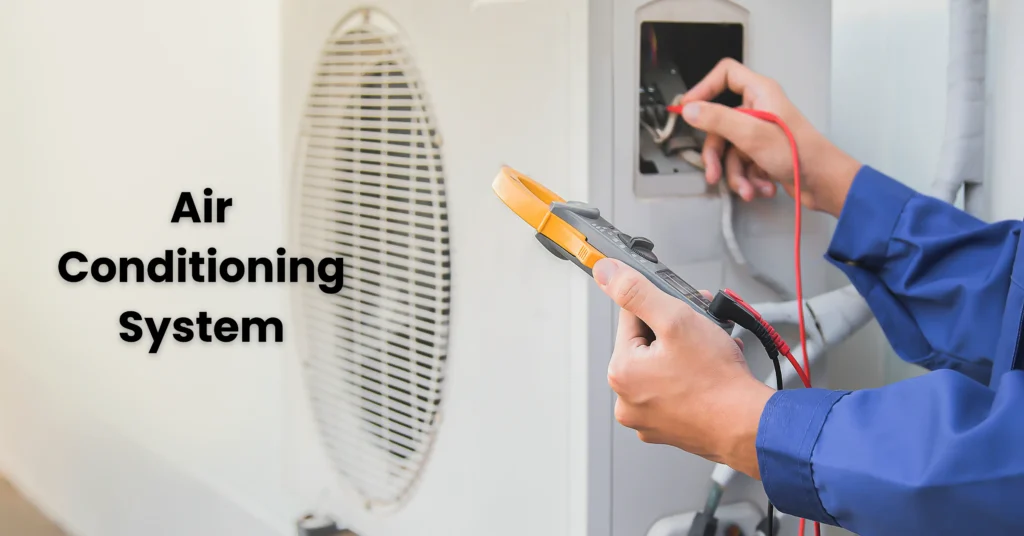

HVAC mistakes turn into major business losses because cooling systems run for long hours in commercial buildings. When companies ignore maintenance or choose the wrong equipment, the system works harder than needed. This increases energy use and leads to frequent breakdowns. Poor airflow, leaking ducts, and wrong thermostat settings also push electricity bills higher.
Poor HVAC decisions hurt energy use, indoor comfort, and system life. When units are oversized or undersized, they fail to cool properly and waste power. Green Shirts provides HVAC services in Al Barsha 1, Dubai, for companies that need expert help. Bad duct design creates hot spots and makes staff uncomfortable.
Table of Contents
Signs That Your Company Is Losing Money to HVAC Issues
- Rising Energy Bills: If your monthly electricity bill keeps climbing, your HVAC system is wasting energy. Poor airflow, clogged filters, or bad ductwork force the system to run longer.
- Uneven Cooling Across the Office: Hot and cold spots inside the workplace show that the system is not working efficiently. This means the HVAC is using more power to maintain comfort.
- Frequent Employee Complaints: Staff complaining about heat, cold, or poor air quality is a clear warning. Uncomfortable environments reduce productivity and increase energy use.
- HVAC Units Turning On and Off Repeatedly: Short cycling damages the system and wastes electricity. It often happens when the unit is the wrong size or poorly maintained.
- Strange Noise or Vibration: Unusual sounds show the system is struggling. This leads to breakdowns and high repair costs if ignored.
- More Repairs Than Usual: If your HVAC needs service again and again, it is costing you money. Frequent repairs mean deeper issues that drain the company budget.
Common HVAC Mistakes Companies Make
Ignoring Regular Maintenance
Many companies delay routine servicing because the system “seems fine.” But dust, clogged filters, and worn parts slowly build up. This reduces airflow, increases energy use, and leads to costly breakdowns during peak business hours.
Using Oversized or Undersized Units
Wrong-sized HVAC units cause long-term damage. Oversized units cool too fast and keep turning on and off. Undersized units run nonstop and overheat. Both situations waste energy and shorten the system’s lifespan.
Setting the Thermostat Incorrectly
Companies often set temperatures too low to cool rooms quickly. This forces the HVAC system to work harder than needed. It increases energy bills and creates uneven cooling in different areas of the building.
Poor Duct Design and Installation
Leaky or poorly designed ducts lose cool air before it reaches offices or meeting rooms. Dust also collects inside poorly installed ducts. This weakens airflow, increases energy costs, and makes the building uncomfortable.
Not Monitoring System Performance
Many businesses do not track HVAC data like energy use, runtime, or airflow. Without monitoring, early signs, such as longer cooling times or unusual noise—go unnoticed. Small problems then turn into expensive repairs.
Choosing Cheap or Untrained Technicians
Hiring low-cost or untrained technicians may save money at first but leads to bigger losses later. Bad installations, poor repairs, and incorrect parts create hidden issues. These mistakes cause system strain and increase repair frequency.
How Poor Maintenance Leads to Massive Costs
Poor maintenance slowly damages an HVAC system without showing clear signs at first. Dust collects inside filters, coils, and ducts, which reduces airflow. When airflow drops, the system works harder to cool the building. This increases energy use and drives up utility bills every month. Many companies don’t notice this slow rise until the costs become huge.
Lack of maintenance also causes small issues to turn into major failures. A loose belt, clogged filter, or low refrigerant level may seem minor. But when ignored, these problems damage the compressor and fan motor. Emergency repairs during business hours are more expensive and cause unexpected downtime. This affects employee comfort and reduces workplace productivity.
Poor maintenance also shortens the system’s lifespan. HVAC units that should last 10–12 years often fail in 5–7 years when neglected. Early replacement becomes one of the biggest expenses for companies. A full system upgrade can cost thousands, especially in large buildings.
The Hidden Costs of Wrong HVAC Sizing
Wrong HVAC sizing is one of the biggest reasons companies lose money without realizing it. When a unit is too large, it cools the space too quickly and shuts down repeatedly. This constant start–stop cycle, called short cycling, damages the compressor. It also causes big energy spikes that raise monthly bills. Many companies think a bigger system cools better, but it only wastes money.
An undersized unit creates the opposite problem. It runs nonstop because it cannot meet the cooling load of the building. This leads to high electricity use, rapid wear on parts, and uncomfortable indoor temperatures. Employees feel hot in some areas and cold in others. The system becomes noisy and strained, which adds to maintenance costs.
Wrong sizing also creates humidity issues. Oversized units remove very little moisture, which leaves offices feeling sticky. Undersized units fail to control humidity at all. High humidity increases mold risks and hurts indoor air quality.
Ductwork Mistakes That Hurt Performance
1. Leaky Ducts Waste Cooling and Money
Leaky ducts allow cool air to escape before it reaches offices and work areas. Air leaks into ceilings or unused spaces, forcing the HVAC system to run longer. This increases energy use and puts extra strain on the system. Many companies lose thousands without noticing the slow airflow loss.
2. Poor Duct Design Slows Airflow
Bad duct layout creates major cooling problems. Sharp bends, long routes, or narrow ducts reduce air movement. Some rooms stay warm while others feel too cold. The HVAC system works harder to balance temperatures, which raises energy bills and reduces comfort for employees.
3. Dust Buildup Inside Ducts Reduces Output
Unsealed or poorly installed ducts allow dust to enter the system. This dust collects inside the ductwork and blocks airflow over time. Cooling becomes weaker, indoor air quality drops, and the cleaning workload increases. Companies often ignore this until the problem becomes serious.
4. Blocked or Dirty Vents Restrict Airflow
Furniture, storage items, or equipment placed near vents block air from spreading properly. Dirty vents also slow airflow and force the HVAC system to run longer. This adds pressure on the unit and increases energy consumption. Regular checks keep vents clear and improve overall performance.
5. Poor Insulation Around Ducts Causes Energy Loss
Many buildings have ducts passing through hot areas like ceilings or service rooms. When these ducts are not insulated properly, cool air warms up before reaching the workspace. This makes the HVAC system run longer to meet the set temperature. The result is higher energy bills and constant cooling imbalance.
When to Bring in HVAC Experts
You should bring in experts when your HVAC system shows repeated issues, even after basic checks. If the cooling feels weak, bills rise, or airflow becomes uneven, the problem is deeper than simple adjustments. At this stage, professional diagnosis is the safest option.
Green Shirts are the right choice because they are expert, trusted, and fully hyper-local. They understand Dubai’s heat, humidity, and the heavy load commercial HVAC systems face. This local knowledge helps them solve problems faster and prevent future damage. Their team knows how Dubai buildings are designed and how different cooling loads affect performance.
Conclusion
HVAC mistakes create silent losses that grow every month. Poor sizing, weak maintenance, and bad ductwork push energy bills higher and shorten system life. Simple checks and smarter planning protect companies from major costs. With the right decisions and expert support, businesses can improve comfort, reduce waste, and save millions in the long run.