
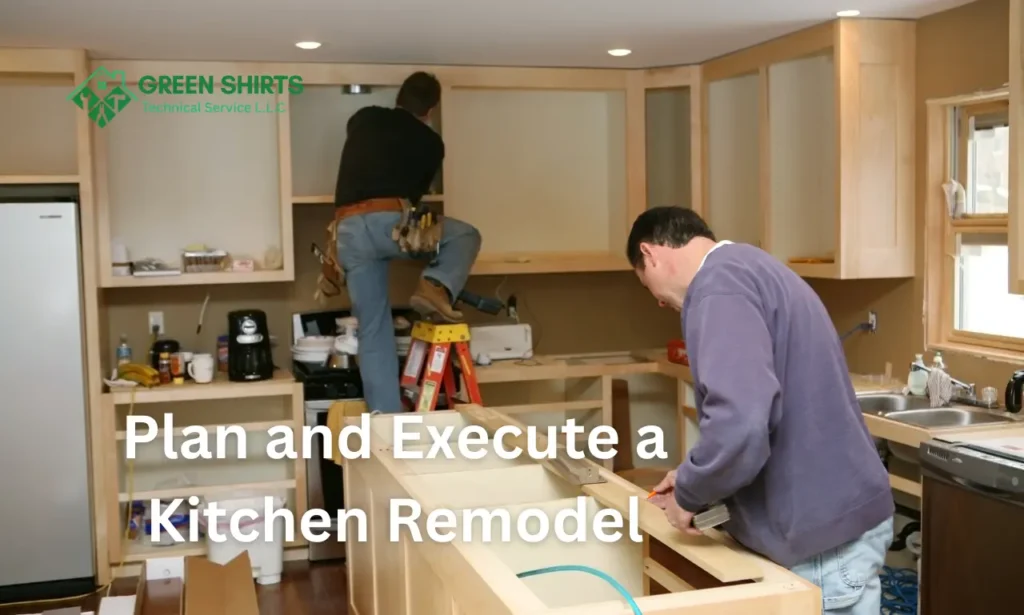
A kitchen remodel can completely change how your home looks and feels. It is not only about updating old cabinets or appliances but also about improving how you cook, move, and spend time with your family. A well-designed kitchen makes daily tasks easier and more enjoyable.
Planning your remodel before starting helps you stay organized and avoid costly mistakes. When you know your goals, budget, and design choices in advance, you make fewer changes during the project. This keeps the work on schedule and prevents delays. Green Shirts offers professional kitchen remodeling services in Dubai to help you plan, design, and execute your project smoothly and within budget.
Table of Contents
Step 1: Define Your Remodeling Goals
Before starting your kitchen remodel, take some time to think about what you really want. Look around your kitchen and note what bothers you or what feels outdated. Maybe you need more storage, better lighting, or a layout that makes cooking easier. Knowing exactly what you want helps you avoid confusion later.
Think about how you use your kitchen every day. If you cook often, focus on functionality and space for movement. If you love hosting guests, an open layout with a large island might suit you better. Your design should fit your lifestyle, not just look stylish.
It also helps to collect ideas and inspiration. Browse kitchen designs online or visit showrooms to see what styles you like. Create a simple list or mood board with your favorite colors, materials, and layouts. This will give you a clear direction when talking to your contractor or designer.
Step 2: Set a Realistic Budget
efore you start your kitchen remodel, it’s important to decide how much you can spend. A clear budget helps you make smart choices and avoid surprises later. Start by listing everything you’ll need, including materials, appliances, labor, and permits. Research average prices in your area so you know what to expect.
Divide your budget into categories such as cabinets, countertops, flooring, and lighting. This will help you see where most of your money is going. Always keep a small amount aside for unexpected costs because small changes or repairs often come up during remodeling.
Be honest about your priorities. Spend more on things that matter most, like durable countertops or good-quality fittings, and save on decor or accessories that can be upgraded later. A well-planned budget keeps your project on track and stress-free.
Step 3: Choose a Functional Layout
A good kitchen layout makes cooking, cleaning, and moving around easy. Before choosing a design, think about how you use your kitchen every day. The layout should allow smooth movement between the sink, stove, and refrigerator, also known as the “kitchen work triangle.” This helps you stay efficient and keeps your kitchen comfortable to use.
There are several layout options to consider. The L-shaped kitchen is great for open spaces, while the U-shaped layout offers more storage and workspace. If you have a smaller area, a galley or single-wall kitchen can save space and still look stylish. For large homes, adding an island creates extra counter space and a social spot for family or guests.
Always focus on functionality before style. Make sure drawers, cabinets, and appliances are placed in convenient spots. Good lighting and ventilation also make a big difference in how your kitchen feels and works.
Step 4: Select Quality Materials and Finishes
The materials you choose for your kitchen can make a big difference in how it looks and lasts. Always focus on quality, not just appearance. Durable materials may cost a little more at first, but they save money in the long run because they last longer and need less maintenance.
When choosing countertops, look for options like quartz or granite that are easy to clean and resist scratches. For cabinets, solid wood or high-quality MDF are strong and reliable choices. Pick flooring that can handle spills and heavy foot traffic, such as ceramic tiles or vinyl. Each material should match your lifestyle and the way you use your kitchen.
Finishes also play a big role in the overall look. Choose colors and textures that fit your home’s style. Matte finishes create a soft, modern feel, while glossy ones add a clean and bright look. Pay attention to small details like handles, taps, and lighting because they complete the design.
Step 5: Hire the Right Professionals
Hiring the right professionals is one of the most important steps in a kitchen remodel. Skilled experts make sure that your project is completed safely, efficiently, and within budget. Start by researching local contractors and designers who specialize in kitchen remodeling. Look at their previous work, customer reviews, and ratings to understand their experience and reliability.
Before making a final decision, talk to at least two or three professionals. Discuss your goals, budget, and timeline in detail. Ask for written quotes so you can compare prices and services. A good contractor will listen carefully to your needs and offer practical solutions that match your vision.
Green Shirts provides experienced and trusted remodeling professionals in Dubai. Their skilled team manages every part of the process, from design to installation, ensuring your kitchen remodel runs smoothly and meets your expectations.
Step 6: Plan the Timeline and Schedule
Creating a clear timeline keeps your kitchen remodel organized and stress-free. Start by listing all the major tasks, such as design approval, demolition, electrical work, plumbing, and installation. Then, estimate how long each step will take. This helps you set realistic deadlines and avoid unnecessary delays during the project.
Discuss your schedule with your contractor so everyone knows what to expect. Some materials or appliances may take time to arrive, so plan accordingly. Setting milestones for each stage also helps you track progress and make sure the work is moving forward as planned.
It is important to stay flexible because small delays can happen. Unexpected issues like wiring, plumbing, or weather conditions may affect the schedule. Keeping open communication with your contractor helps you handle these changes easily.
Step 7: Manage the Remodeling Process
Once the remodeling starts, good management keeps everything on track. Stay involved in each step of the process and keep clear communication with your contractor and team. Regular check-ins help you understand what is happening, spot issues early, and make quick decisions when needed.
Keep your design plan, material list, and budget handy. This helps you ensure that everything matches your original vision and prevents unnecessary changes. If adjustments are needed, discuss them immediately to avoid delays or extra costs.
Step 8: Inspect and Finalize the Work
When the remodeling work is almost complete, it is time to inspect everything carefully. Walk through your kitchen and check each area, including cabinets, countertops, flooring, and appliances. Make sure everything has been installed correctly and that the finishes match what you planned. Look for any scratches, uneven surfaces, or missing details that need fixing before final approval.
Test all lights, switches, and water connections to confirm that everything works properly. If you notice any issues, list them down and share them with your contractor so they can be fixed right away. It is better to address these small problems before final payments are made.
Common Mistakes to Avoid in Kitchen Remodeling
- Ignoring Proper Planning: Starting a remodel without a clear design, budget, and timeline can lead to costly changes and delays. Always have a detailed plan before any work begins.
- Prioritizing Style Over Functionality: A kitchen may look beautiful, but if it is difficult to cook or move around in, it will not serve its purpose. Focus on layouts, storage, and workflow first, then add aesthetic touches.
- Underestimating the Budget: Unexpected costs often arise during remodeling, so it is important to keep a buffer for surprises. Overspending on non-essential features can lead to compromises in critical areas.
- Using Low-Quality Materials: Choosing low-quality materials can reduce the lifespan of your kitchen. Durable countertops, cabinets, and flooring ensure your remodel lasts longer.
- Lack of Professional Guidance: Not hiring experienced professionals or skipping expert advice can result in mistakes. Green Shirts provides expert planning, quality materials, and professional guidance to make your kitchen remodel smooth and successful.
Conclusion
Planning a kitchen remodel starts with clear goals. Decide what you want to change, set a budget, and choose a layout that fits your lifestyle. Pick quality materials and finishes that are both durable and stylish. Hiring the right professionals is important to ensure the work is done safely and efficiently.
During the remodel, manage the process closely. Communicate with your team, track progress, and handle issues quickly. Inspect all work carefully before final approval. Green Shirts can guide you through every step, making your kitchen remodel smooth, on time, and exactly how you envisioned.