
HVAC systems in large buildings are setups that control heating, cooling, and ventilation for big spaces like malls, offices, and hotels. They use powerful equipment such as chillers, boilers, air handlers, and duct networks to keep indoor air clean and comfortable. Because these buildings have many floors, rooms, and people, the system has to work harder to maintain even temperature and airflow everywhere.
HVAC problems become more common in commercial spaces because of heavy daily usage, large cooling loads, and complex building layouts. When faults appear, they affect comfort, increase energy bills, and slow work productivity. Green Shirts provide this service in Dubai, helping diagnose and fix these issues before they spread.
Table of Contents
Poor Airflow and Ventilation Issues
Poor airflow appears when air does not move easily through the HVAC system. Large buildings face this more because air travels long distances. Dust, blocked filters, and weak fans slow down the movement of air. These small issues grow bigger as the building size increases.
When airflow becomes weak, temperatures stop staying balanced. Some rooms feel warmer, and others stay cold. This uneven airflow affects comfort for workers and visitors. People may complain about stuffiness or slow cooling in different areas.
Weak ventilation also harms indoor air quality. Stale air stays trapped for longer periods. Bad smells and humidity build up inside rooms. These conditions can cause irritation, tiredness, and breathing problems for occupants.
Uneven Heating and Cooling Across Floors
Uneven temperatures appear when different floors do not receive the same level of heating or cooling. Large buildings face this issue because upper and lower floors experience different heat levels. Warm air rises, and cool air settles, which affects temperature balance. Weak ducts, damaged dampers, or faulty zoning systems make this problem worse.
When temperature balance breaks, people feel discomfort in many areas. One floor may stay very cool, while another remains warm. Offices, shops, and meeting rooms lose their ideal environment. This inconsistency affects daily work, customer comfort, and overall building satisfaction.
Uneven cooling or heating also increases energy use. The system runs longer to fix temperature gaps. This adds stress on fans, compressors, and coils. Over time, these conditions create higher energy bills and more frequent complaints.
Refrigerant Leaks & Cooling Inefficiency
Refrigerant leaks reduce the cooling power of the HVAC system. The system needs a fixed refrigerant level to work properly. When the level drops, the cooling coils cannot remove heat effectively. Large buildings feel this issue faster because they require strong and stable cooling.
Leaking refrigerant makes rooms warm and uncomfortable. The system takes longer to reach the required temperature. This slow cooling increases complaints from workers and visitors. It also forces the equipment to work harder than normal.
Refrigerant leaks increase electricity use as the system runs longer. The compressor becomes stressed and may fail early. Higher energy bills and unexpected repairs become common results. These issues also reduce the overall lifespan of the system.
Dirty Filters, Coils & Blocked Ductwork
Dirty Filters
Dirty filters stop air from moving smoothly through the system. Dust builds up quickly in large buildings. When filters clog, the system struggles to push air forward. This weak airflow reduces comfort in many rooms.
Dirty Coils
Coils lose efficiency when dirt collects on them. Dirty coils cannot absorb or release heat properly. The system then cools or heats much slower. This slow performance increases energy use and reduces comfort.
Blocked Ductwork
Blocked ductwork creates even bigger problems. Ducts carry air to every floor and room. When ducts get blocked, air cannot reach some areas. This causes uneven temperatures and frequent complaints.
Thermostat, Sensor & Control Failures
Thermostat Problems
Thermostat issues appear when the device cannot read indoor temperatures correctly. A wrong reading sends wrong signals to the system. This creates slow cooling or heating in many rooms. People feel discomfort because the system reacts late.
Sensor Failures
Sensors guide the system by measuring temperature and airflow. When sensors fail, the system receives incorrect data. This causes uneven temperatures across the building. Faulty sensors also force the system to run longer than needed.
Control System Errors
Large buildings use control panels to manage different zones. When these controls malfunction, zoning stops working properly. Some areas cool too much, while others stay warm. These control errors disturb comfort and affect energy use.
Mechanical & Electrical System Failures
Motor and Fan Failures
Motors and fans keep air moving through the system. When they weaken, the airflow drops across many rooms. Dust, age, or heavy load often damage these parts. Slow or noisy fans also show early signs of failure. This leads to slow cooling and uneven temperatures on different floors.
Wiring and Connection Issues
Electrical wiring links all major HVAC components. Loose connections disturb the power supply and stop normal operation. Damaged wires can cause short circuits or sudden shutdowns. These issues often appear in older buildings with long wiring routes. Faulty wiring also increases safety risks and may damage other parts.
Capacitor and Relay Problems
Capacitors help motors start with enough power. When capacitors weaken, motors struggle to turn on smoothly. Relays control electrical signals between system parts. A faulty relay blocks these signals and stops cooling cycles. These failures create frequent stops, slow cooling, and system delays.
Humidity Imbalance and Indoor Air Quality Problems
Humidity imbalance appears when the air becomes too dry or too moist. Large buildings face this issue due to changing outdoor weather and heavy indoor activity. Poor ventilation and weak control settings make the problem worse. People start feeling discomfort when humidity levels move outside the ideal range.
High humidity creates a heavy and sticky atmosphere. Moisture builds up on walls, ceilings, and vents. This encourages mold and unpleasant smells inside the building. Low humidity also causes problems by making air dry. Dry air leads to skin irritation, coughing, and throat discomfort for many occupants.
Indoor air quality drops when ventilation becomes weak. Dust, odors, and pollutants remain trapped inside rooms. People notice headaches, tiredness, or difficulty breathing. These problems affect comfort and productivity in offices, halls, and shared spaces.
When to Call a Professional HVAC Technician
You should call a professional when the system shows signs you cannot fix yourself. Strange noises, weak airflow, or sudden temperature changes all signal deeper issues. Water leaks, bad smells, and frequent system shutdowns also require expert help. These problems grow quickly in large buildings and damage other parts of the system.
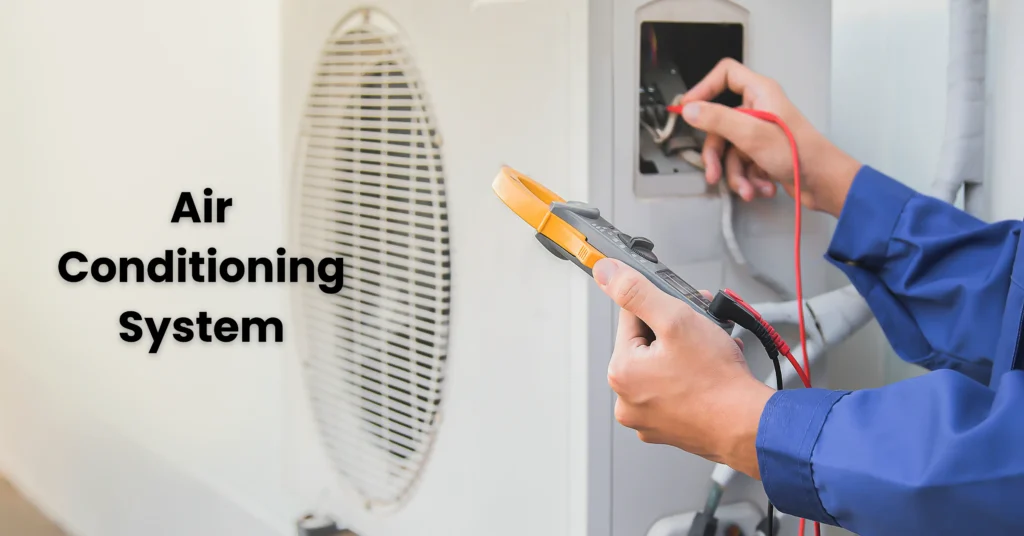
A trained technician can inspect the whole setup and find the exact fault. They use proper tools to check refrigerant levels, electrical parts, and airflow. In Dubai, Green Shirts act as a trusted company for commercial HVAC repairs. Their team handles big building systems and prevents small issues from turning into costly failures.
Conclusion
Large buildings face many HVAC problems due to heavy use and complex systems. Small issues quickly grow into big faults. Regular checks, cleaning, and timely repairs keep the system stable. Proper maintenance protects comfort, reduces costs, and improves air quality. A well-managed HVAC system keeps the entire building running smoothly.