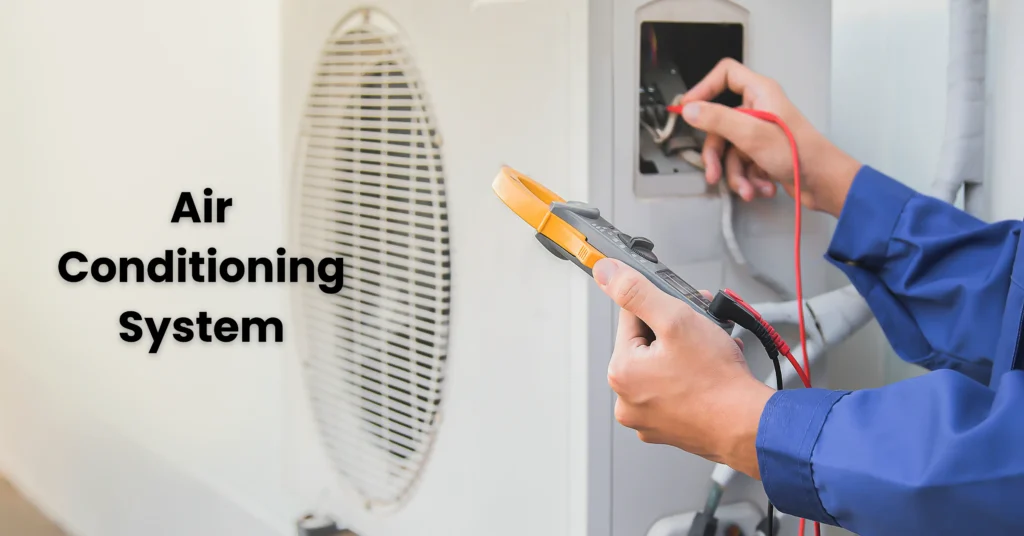

Air conditioning has become a basic need in modern restaurants. Customers want a cool and comfortable environment where they can sit and enjoy their meal. A good AC system keeps the indoor air fresh, controls humidity and stops the dining area from feeling warm or suffocating.
Temperature affects both customers and staff. If the restaurant is hot, customers feel uneasy and leave quickly. The staff also struggle to work in high heat, especially near cooking stations. A proper AC system keeps everyone comfortable, active and focused.
Table of Contents
Types of Air Conditioning Systems for Restaurants
Central Air Conditioning Systems
This system cools the entire restaurant using one main outdoor and indoor setup. It pushes cool air through ducts and keeps the temperature steady everywhere. It is ideal for medium and large restaurants because it delivers strong and even cooling. It also helps maintain a clean and professional look since all major parts stay hidden.
Ductless Mini Split Systems
This system works without ducts and uses multiple indoor units. Each unit can control its own temperature. It is great for cafés, bakeries and small restaurants that have limited space. It is also useful when you want different temperatures in the dining area, lounge or manager’s room. It saves energy because it cools only the required zones.
VRF and VRV Systems
VRF and VRV systems use advanced technology to adjust cooling based on room needs. They connect many indoor units to one outdoor unit. These systems offer very accurate temperature control and high energy efficiency. They work well in restaurants with multiple floors, private dining rooms or large seating areas. They also reduce electricity costs in the long run.
Rooftop Units
These units are installed on the roof, which saves indoor space. They combine heating, cooling and ventilation in one system. Rooftop units are strong enough to handle large dining halls, busy lunch hours and kitchen heat. They are easier to maintain because technicians can access them without disturbing customers.
Portable and Spot Cooling Units
Portable ACs can be moved quickly to any part of the restaurant. They are helpful during sudden heat, equipment failure or events where extra cooling is needed. Spot coolers are used near ovens or grills to reduce kitchen heat. They are not a primary solution but a good support option for problem areas.
Best AC Solutions for Different Restaurant Setups
- Small Cafés and Bakeries: Mini split systems are the best choice because they cool small areas easily. They save space and work quietly. They also handle the extra heat from ovens or coffee machines.
- Medium Sized Restaurants: Central AC systems work well for medium restaurants. They give even cooling in the dining area and the kitchen. Zonal control helps set different temperatures in different rooms.
- Large Dining Halls: Large halls need strong cooling. VRF systems and rooftop units are ideal because they cover wide spaces. They also adjust cooling according to the crowd.
- Open Kitchen Restaurants: Open kitchens create extra heat. VRF systems or high capacity mini splits give targeted cooling. Spot coolers can be used near cooking stations.
- Fast Food and High Traffic Outlets: These outlets face frequent door openings. Central AC or rooftop units recover cooling quickly. They maintain stable temperature during busy hours.
- Multi Floor or Zoned Restaurants: VRF systems are best for multi floor setups. They allow different temperatures in each area. This keeps all zones comfortable.
Calculate Your Restaurant’s Cooling Load
To calculate your restaurant’s cooling load, start by measuring the total size of the dining area and kitchen. For dining spaces, you can use 20 to 25 BTU per square foot. For kitchens, use 30 to 35 BTU per square foot because they produce more heat. This gives you a basic idea of how much cooling your space needs.
Next, add the heat load from people and equipment. Each customer adds around 500 BTU, while each kitchen worker adds about 1200 BTU. Ovens, fryers, grills and refrigerators also create heat. A large oven can add 5000 to 10000 BTU, a fryer can add 3000 to 5000 BTU and a refrigerator adds around 800 to 1500 BTU. Also include the heat from lighting by multiplying total watts by 3.41.
Finally, add extra BTU for fresh air ventilation, usually between 5000 and 15000 BTU. If your restaurant has many windows or gets strong sunlight, increase the total by about 10 percent. Add another 10 to 15 percent as a safety margin. When you get the final BTU number, divide it by 12000 to find the AC tonnage required for your restaurant.
Improve Indoor Air Quality in Restaurants
Improving indoor air quality in restaurants starts with strong ventilation. Fresh air should enter the dining area while stale air is pushed out. This helps remove smoke, cooking smell and humidity from the kitchen. Good ventilation also keeps the space comfortable for customers and reduces the chance of bad odors building up.
Air purifiers are another helpful option. They remove dust, allergens, grease particles and tiny pollutants from the air. Using purifiers with HEPA or activated carbon filters works well in busy restaurants. You can also maintain proper humidity levels with dehumidifiers, especially in humid weather, to prevent the air from feeling heavy or sticky.
Regular AC maintenance also plays an important role. Clean filters improve airflow and stop dust from circulating. Kitchen hoods should be cleaned often to remove grease buildup.
Choosing the Right HVAC Partner for Your Restaurant
Choosing the right HVAC partner is important because restaurants need steady and reliable cooling. A good partner understands the extra heat from kitchens, long service hours and crowded dining spaces. They also help you choose the right system that fits your layout and budget.
Green Shirts is a strong option because they provide installation, maintenance and quick repair support. Their team guides you on energy efficient systems and proper ventilation. They also suggest the correct AC size and setup for both dining and kitchen areas.
Conclusion
A good air conditioning system is essential for a comfortable and successful restaurant. The right setup keeps customers relaxed and helps staff work better. By choosing the correct AC type, improving air quality and working with a reliable HVAC partner, restaurants can run smoothly. A well cooled space creates a better dining experience and supports long term growth.