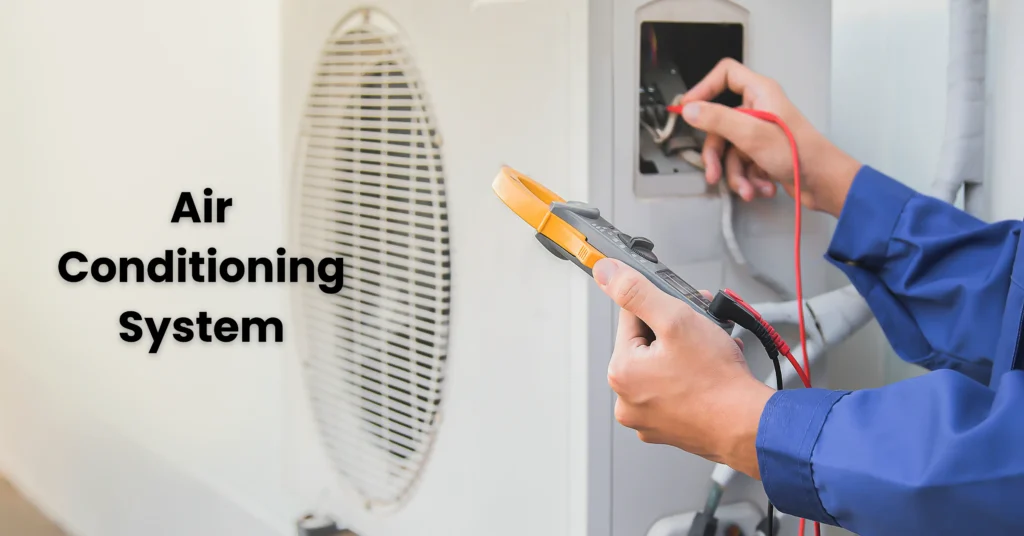

Modern air conditioners are designed to cool rooms faster and more smoothly. They use advanced compressors and sensors to keep the temperature stable without wasting energy. Green Shirts provide this service with trained experts who understand how these systems work. These ACs also adjust their cooling level automatically.
Energy-efficient ACs help reduce electricity bills and lower pressure on the power supply. They use less electricity while giving better cooling, which is important as energy costs keep rising. Efficient ACs also help protect the environment by reducing carbon emissions.
Table of Contents
How Inverter Technology Saves Power
Inverter technology saves power by controlling the speed of the AC’s compressor instead of switching it on and off repeatedly. Traditional ACs run at full power, stop completely, and then restart, which wastes a lot of electricity. Inverter ACs work smarter by adjusting their speed according to the cooling needs of the room.
When the room gets close to the desired temperature, the inverter compressor slows down instead of shutting off. This keeps the temperature steady without using extra power. It also prevents the AC from taking heavy electric load during restarts, which is one of the main reasons non-inverter ACs consume more units.
Because the compressor runs continuously at low speed, the AC uses less energy overall. This simple change results in smoother performance, faster cooling, and up to 40% lower electricity bills. The AC becomes more stable and doesn’t struggle with sudden temperature changes.
Energy Consumption Comparison
| Feature | Inverter AC | Non-Inverter AC |
| Compressor Operation | Runs at variable speed | Turns on/off at full speed |
| Electricity Usage | 30%–40% less energy | Higher energy consumption |
| Power Spikes | No heavy power spikes | Frequent high-power spikes |
| Temperature Control | Stable and consistent | Fluctuates up and down |
| Cooling Performance | Faster and smoother | Slower and uneven |
| Noise Level | Quieter operation | Louder due to start/stop |
| Long-Term Cost | Lower bills and maintenance | Higher running cost |
Benefits of Inverter ACs
1. Lower Electricity Consumption
Inverter ACs save power by adjusting the compressor speed according to the room’s cooling needs. They avoid the repeated start–stop cycles that waste energy in traditional ACs. This smart operation can reduce electricity bills by up to 30–40% every month.
2. Faster and Consistent Cooling
These ACs reach the desired temperature quickly because the compressor runs at higher speed in the beginning. Once the room cools down, the speed drops to maintain a steady temperature. This keeps the environment comfortable without sudden hot or cold patches.
3. Quiet Operation
Inverter ACs make much less noise because they run smoothly at lower speeds most of the time. There are no loud compressor restarts, which makes them perfect for sleeping, studying, or working peacefully.
4. Longer AC Lifespan
Since the compressor is not constantly switching on and off, it faces less mechanical stress. This protects the internal parts, reduces maintenance issues, and helps the AC last several years longer than non-inverter units.
5. Environment-Friendly Performance
Modern inverter ACs use advanced, eco-friendly refrigerants like R32 or R410A, which have lower environmental impact. They also consume less electricity, which reduces carbon emissions and makes them a greener choice for homes and offices.
Features in Modern Inverter ACs
- Dual or Triple Inverter Compressors: These compressors adjust their speed more accurately, giving faster cooling and better energy savings compared to older single-inverter models.
- AI-Powered Smart Cooling: Modern inverter ACs use AI to sense room temperature, humidity, and usage patterns. This helps the AC cool efficiently without wasting power.
- Eco & Power-Saving Modes: Modes like Eco, Sleep, and Power Save reduce electricity use by lowering the compressor speed during low cooling demand, especially at night.
- Wi-Fi & App Control: Many inverter ACs can be controlled through a smartphone or smart home system. You can change temperature, schedule cooling, or monitor usage remotely.
- Fast Cooling Technology: New inverter ACs offer turbo or fast-cool features that quickly drop the room temperature, making them ideal for hot summer days.
- Multi-Stage Air Filtration: These ACs come with dust, pollen, and bacteria filters that improve indoor air quality. This is helpful for families, children, and people with allergies.
How Much Electricity Can You Actually Save
An inverter AC can save a noticeable amount of electricity compared to an old non-inverter AC. On average, users save between 30 to 40 percent on monthly bills because the compressor runs smoothly at low speed instead of switching on and off again. This steady operation reduces power spikes and cuts down the number of units consumed each day.
In real usage, an inverter AC uses fewer units per hour, especially after the room reaches the set temperature. For example, if a non-inverter AC uses around two units in a strong cooling session, an inverter AC may use around one point two to one point four units for the same cooling. The savings increase even more with regular maintenance, proper insulation, and correct temperature settings.
Common Myths About Inverter ACs
Inverter ACs always run so they waste power
This is incorrect. They run at a steady low speed, which actually saves more electricity compared to the repeated start and stop of non-inverter ACs.
Inverter ACs do not cool fast
Modern inverter ACs cool the room quickly because the compressor increases its speed at the start to achieve the desired temperature faster.
They are not effective in very hot weather
Inverter ACs work well even in high temperatures because they adjust the compressor speed according to the cooling load and maintain stable cooling.
Maintenance is difficult and too expensive
Maintenance for inverter ACs is almost the same as regular ACs. Cleaning filters, checking gas, and routine servicing follow the same simple steps.
Inverter ACs cannot handle voltage fluctuations
Many modern inverter ACs have built-in stabilizer features and wide voltage operation, making them more stable during low or fluctuating voltage.
Electricity bills do not decrease
Bills reduce clearly when the inverter AC is used correctly. Setting the right temperature, keeping the room insulated, and regular maintenance improve efficiency and lower power usage.
FAQs
1. What size inverter AC is best for my room
A one ton AC is usually enough for rooms up to 120 sq ft. Medium rooms often need a one point five ton unit. The right size improves cooling and reduces electricity use.
2. How often should I service my inverter AC
Service your AC every three to four months. Cleaning filters and checking gas levels keeps the AC efficient and reduces power consumption.
3. Does an inverter AC work well with solar panels
Yes, inverter ACs run smoothly on solar systems because they use low and stable power, making them more solar friendly.
4. Can an inverter AC run on a generator or UPS
Most inverter ACs can run on a generator or a strong UPS. They require less startup power, so they are easier on backup systems.
Conclusion
Inverter technology makes modern ACs more efficient, stable, and cost-effective. It saves electricity by running the compressor at the exact speed needed for cooling. This reduces power waste, lowers bills, and improves comfort. Choosing an inverter AC is a smart option for anyone who wants better cooling with less energy use.