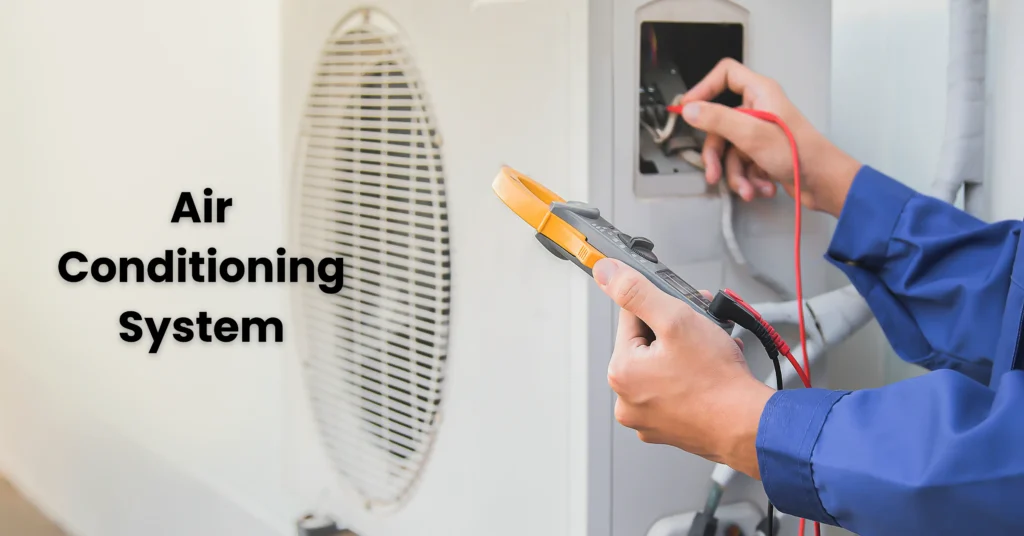

Ignoring AC problems can turn small issues into big, expensive repairs. When an AC starts showing signs like weak cooling, strange noises, or bad smells, it means something inside is not working properly. Green Shirts provide AC maintenance services in Dubai, so help is always available when needed.
ACs fail mostly during summer because they work harder than usual. Dirty filters, low refrigerant, blocked coils, and poor maintenance put extra pressure on the unit. The AC then overheats, freezes, or shuts down. Many people also avoid regular servicing, which causes hidden issues to grow.
Table of Contents
1. Weak or Reduced Airflow
Weak or reduced airflow means your AC is not pushing cool air the way it should. You may feel low air pressure from the vents or notice that rooms take longer to cool. This is the first clear sign that something inside the AC is not working correctly.
The most common reason is a dirty or clogged air filter. When the filter blocks dust and dirt, the air cannot move freely. Sometimes the blower motor becomes weak or damaged, which also reduces airflow. Blocked or leaking ducts can slow down the air even more.
When airflow drops, the AC works harder to cool the space. This increases electricity consumption and puts extra stress on the system. If ignored, it can lead to bigger issues like frozen coils or compressor damage.
2. Warm Air Coming from the Vents
When your AC blows warm air, it is a clear sign that something is wrong. Instead of cooling the room, the system pushes out hot or room-temperature air, making the space uncomfortable. This usually happens suddenly, so it’s important not to ignore it.
One common reason is low refrigerant. The refrigerant is what absorbs heat from your home and releases cool air. When its level drops due to a leak, the AC cannot cool properly. Another reason is a dirty or blocked condenser coil, which prevents heat from escaping outside.
3. Strange Noises from the AC Unit
Strange noises from your AC are a strong sign that something inside the system is not working normally. An AC is designed to run quietly, so any new or unusual sound should be taken seriously. These noises often start small but get louder over time.
A grinding or screeching sound usually means the motor bearings are worn out. A banging or rattling noise often points to a loose part inside the unit. Buzzing sounds can indicate electrical issues, while clicking sounds may signal a failing relay or control board. Each noise tells a different story and should not be ignored.
These noises happen when parts inside the AC are under stress or about to fail. If the problem continues, it can damage the motor, fan blades, or even the compressor, which is the most expensive part to fix. Running the AC in this condition can turn a small repair into a major one.
4. Foul or Unusual Odors
Foul or unusual smells coming from your AC are a clear sign that something inside the system is not right. A normal AC should blow clean, fresh air. When you notice a strange odor, it means a problem is developing and needs immediate attention.
A burning smell may point to an electrical issue or overheating components. This can be dangerous if ignored. A musty or damp smell usually means mold or fungus is growing inside the AC or in the drainage system. This happens when moisture builds up and doesn’t drain properly. A chemical-like smell can indicate a refrigerant leak, which affects cooling and air quality.
These odors not only affect comfort but also your health. Mold spores, burnt wiring, or chemical leaks can contaminate indoor air and cause breathing problems. The AC will also lose its efficiency and may develop bigger faults over time.
5. Frequent On–Off Cycling
Frequent on–off cycling means your AC keeps turning on and off more often than normal. Instead of running in a smooth cycle, it stops and starts repeatedly. This interrupts cooling and puts unnecessary pressure on the entire system.
One common cause is a thermostat problem. If the thermostat is faulty or placed in the wrong spot, it may sense incorrect temperatures and shut the AC off early. Dirty air filters, restricted airflow, and low refrigerant levels also make the AC overheat and stop before completing a cycle. Electrical issues inside the system can trigger the same behavior.
Short cycling forces the AC to work harder while producing less cooling. This increases electricity bills, creates uneven temperatures, and speeds up wear on important parts like the compressor. If ignored, it may lead to serious and costly damage.
6. Sudden Increase in Electricity Bills
A sudden rise in electricity bills often means your AC is not working efficiently. When the system struggles to cool the space, it runs longer and uses more power. This increase usually happens even if your cooling habits remain the same, making it a clear warning sign.
Dirty filters, clogged coils, or low refrigerant levels can force the AC to work harder than normal. The unit consumes extra energy because it has to compensate for blocked airflow or reduced cooling ability. Sometimes, a failing motor or compressor also causes the AC to draw more power than usual. Even minor issues inside the unit can lead to a noticeable spike in energy usage.
7. Water Leaks or Excess Moisture
Water leaks or extra moisture around your AC are signs that something inside the system is not draining properly. Normally, an AC should remove humidity and drain the water safely. When you see water pooling near the unit or dripping from parts of the system, it means a blockage or fault is developing.
A common cause is a clogged drain line. Dust, dirt, and algae can block the drainage pipe, causing water to back up and leak out. A frozen evaporator coil can also create excess water when it melts. Sometimes, a damaged drain pan or loose pipe connection leads to moisture around the indoor unit.
8. Thermostat Not Working Properly
A thermostat that is not working properly can make your AC behave unpredictably. You may notice that the room feels too warm or too cold, even when you set the right temperature. Sometimes the AC turns on and off at the wrong time, or it doesn’t respond at all when you change the settings. These are clear signs that the thermostat is misreading the temperature.
One common reason is a faulty sensor inside the thermostat. If the sensor is damaged or dirty, it cannot detect the room temperature accurately. Poor placement also causes problems. If the thermostat is installed near sunlight, doors, or heat-producing appliances, it gives incorrect readings. Loose wiring or low batteries can also affect how the thermostat works.
When to Call a Professional AC Technician
You should call a professional AC technician when your system shows signs that cannot be fixed with basic cleaning or simple checks. If the AC is still making strange noises, blowing warm air, leaking water, or shutting off repeatedly even after basic troubleshooting, it means the problem is deeper and needs expert attention.
If you are in Dubai, Green Shirts is a reliable service provider you can contact for professional AC repair and maintenance. Their team can inspect the system, find the root cause, and restore your AC to proper working condition.
Conclusion
Your AC shows clear signs before it stops working completely. Paying attention to weak airflow, strange noises, leaks, or warm air can save you from bigger repairs. Fixing issues early keeps your AC efficient and reliable. Regular maintenance and timely help from professionals ensure long-lasting cooling and comfort.