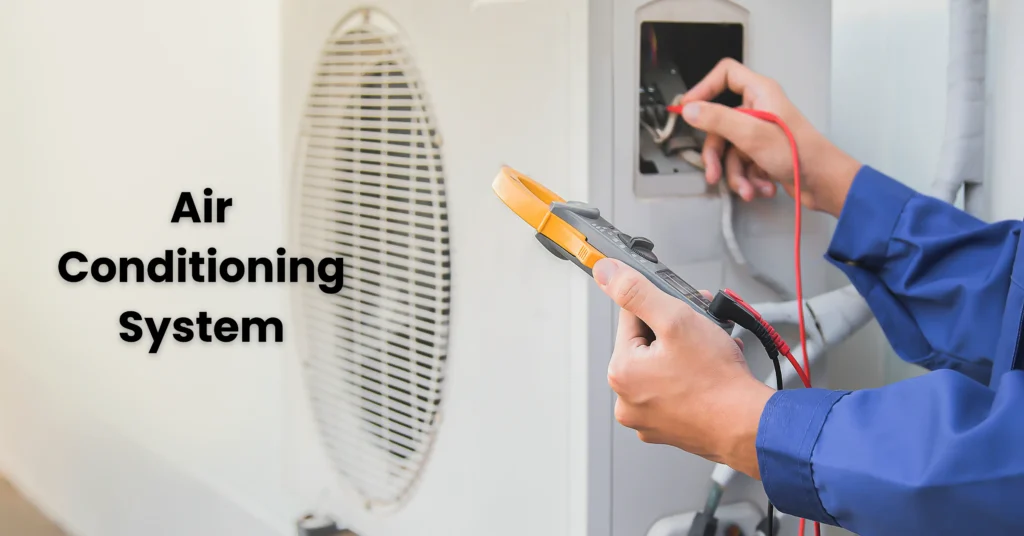
An air conditioning system is a machine that cools indoor air. It removes heat and moisture from a room and makes the air feel cooler and more comfortable. Most systems use a fan, compressor, and refrigerant to do this job. Some AC systems also have heating features.
Air conditioning is now a basic need in many homes and offices. It keeps people cool in hot weather and helps maintain a healthy indoor environment. Good AC systems also filter out dust, allergens, and humidity.
Why Choosing the Right Air Conditioner Matters
Choosing the right air conditioner is important for both comfort and cost. If your AC is too big, it will cool the room too fast without removing humidity, making the space feel damp and uncomfortable. If it’s too small, it will run constantly without properly cooling the area, increasing your electricity bill.
The right AC system fits your room size, layout, and cooling needs. It works efficiently without wasting energy. This means lower power bills and fewer breakdowns. A good match also improves air quality by filtering dust, allergens, and humidity more effectively.
Climate also plays a role. If you live in a hot and dry area, you might need an energy-efficient system. If you’re in a humid region, you need an AC that controls moisture. Smart choices depend on your location, usage habits, and home structure.
1. Central Air Conditioning System
A central air conditioning system cools the entire home or building through a network of ducts. It uses one large unit to push cool air into multiple rooms. The system includes an outdoor compressor and an indoor unit connected by refrigerant lines.
How It Works
The system pulls warm air from your rooms, cools it using a refrigerant, and sends the cold air back through ducts. A thermostat controls the temperature, and you can set it to cool the whole house at once.
Key Benefits
- Cools the entire home evenly
- Controlled by one central thermostat
- Quieter than other systems
- Cleaner look, no indoor units in every room
Drawbacks to Consider
- Higher installation cost
- Needs ductwork, which may not suit older homes
- Maintenance and filter changes are important
Best For
Large homes, offices, and buildings with existing duct systems. Ideal for people who want consistent, whole-home cooling.
2. Ductless Mini-Split Air Conditioning System
A ductless mini-split system is a type of air conditioner that cools specific rooms without using ductwork. It has two main parts: an outdoor unit and one or more indoor units mounted on the wall. These units are connected by a small pipe that carries refrigerant.
How It Works
Each indoor unit cools a separate zone or room. You can control each unit with its own remote or smart controller. This lets you set different temperatures in different rooms, saving energy and improving comfort.
Key Benefits
No ductwork needed, perfect for older homes or room additions
Energy-efficient, especially for small spaces or individual rooms
Easy to install compared to central AC
Each unit can be controlled independently
Drawbacks to Consider
- Higher upfront cost per room than window units
- Indoor wall-mounted units may affect room aesthetics
- Not ideal for large homes unless multiple units are installed
Best For
Homes without ducts, single rooms, home offices, or spaces that need independent temperature control. Great for energy-conscious users.
3. Window Air Conditioning Unit
A window air conditioner is a single, compact unit that fits into a window frame. It cools one room at a time and is one of the most common and affordable types of air conditioning systems.
How It Works
The unit pulls warm air from the room, cools it using a refrigerant, and blows the cool air back inside. The heat is released outside through the back of the unit. Most models also remove humidity, making the room feel even cooler.
Key Benefits
- Low upfront cost
- Easy to install and remove
- Ideal for small spaces and apartments
- No ductwork needed
Drawbacks to Consider
- Can be noisy while running
- Blocks part of your window view
- Not suitable for large rooms
- Less energy-efficient than modern systems
Best For
Small rooms, rental apartments, or areas where installing permanent AC systems isn’t possible. Perfect for people on a budget who need quick cooling.
4. Portable Air Conditioning System
A portable air conditioner is a movable unit that can cool a single room. It usually comes with wheels and sits on the floor. You just need to place its exhaust hose out of a nearby window to release hot air.
How It Works
The unit takes in warm air from the room, cools it using a built-in compressor, and sends the cooled air back into the room. Hot air is pushed outside through a flexible vent hose.
Key Benefits
- Easy to move from one room to another
- No permanent installation required
- Ideal for renters or short-term use
- Simple plug-and-play operation
Drawbacks to Consider
- Takes up floor space
- Can be noisy
- Less efficient than other systems
- Requires frequent water drainage in humid areas
Best For
Small rooms, rentals, or temporary cooling needs. A good option when other AC systems are not allowed or practical.
5. Hybrid (Dual Fuel) Air Conditioners
A hybrid air conditioner, also known as a dual fuel system, combines an electric air conditioner with a gas furnace. It automatically switches between gas and electricity based on which is more efficient and cost-effective at the time.
How It Works
In hot weather, the system runs like a regular electric AC to cool your home. In colder months, it switches to gas heating when it’s more energy-efficient. This smart system is controlled by a thermostat and works automatically to save energy.
Key Benefits
- Saves energy by switching between power sources
- Lowers monthly utility bills
- Provides both cooling and heating in one system
- Environmentally friendly option
Drawbacks to Consider
- Higher upfront cost
- Requires professional installation
- Not ideal for regions with mild winters
Best For
Homes in areas with hot summers and cold winters. Great for homeowners looking to reduce energy bills and carbon footprint over time.
6. Smart Air Conditioning Systems
A smart air conditioning system connects to Wi-Fi and can be controlled using a smartphone app, voice assistant, or home automation system. It gives users full control over temperature, scheduling, and energy usage.
How It Works
Smart ACs come with built-in smart features or can be upgraded with smart controllers. You can turn the system on/off, set timers, adjust temperatures, and even track energy use using an app. Some models also learn your preferences and adjust settings automatically.
Key Benefits
- Remote control from your phone or tablet
- Saves energy through smart scheduling and automation
- Integrates with smart home systems like Alexa or Google Assistant
- Real-time monitoring of performance and power usage
Drawbacks to Consider
- Higher price than standard AC units
- Needs a stable internet connection
- May require some setup and app configuration
Best For
Tech-savvy homeowners, energy-conscious users, and those who want complete control over their indoor comfort anytime, from anywhere.
Conclusion
There are many types of air conditioners, and each one serves a different purpose. From central AC for large homes to portable units for small rooms, the right choice depends on your space, budget, and comfort needs.
Before buying, think about energy use, room size, and installation costs. A smart or hybrid system may save more in the long run. Always choose what fits your lifestyle. The best air conditioner is the one that keeps you cool, saves money, and works well for your home.